Navruz is the celebration of the arrival of spring. According to the Eastern calendar, it is observed as the beginning of the year on March 21. Medieval scholars believed that the festival originated in the 3rd millennium BCE. However, modern historians date Navruz to a much earlier period, around the 10th millennium BCE. Abu Raykhan al-Biruni wrote about this day, providing valuable information on the traditions and origins of the festival.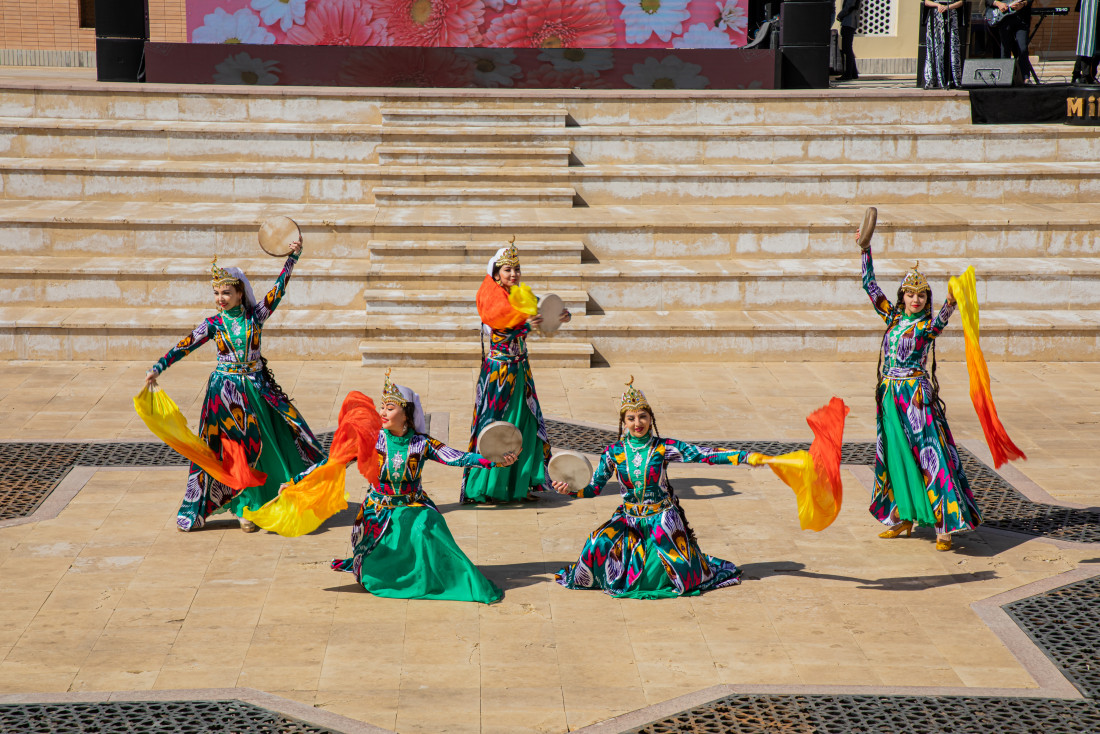
Today, this sacred day continues to receive great attention. Across the country, people participate in folk festivities, circus performances, festivals, competitions, concerts, theatrical shows, and quizzes dedicated to Navruz. All pre-festival customs are strictly observed. Preparations for Navruz begin well in advance: public clean-up campaigns known as hashar are organized for streets, courtyards, and public spaces, greenery is planted, flowers and trees are cultivated, and charitable events called Khudoyi Darvishona are held.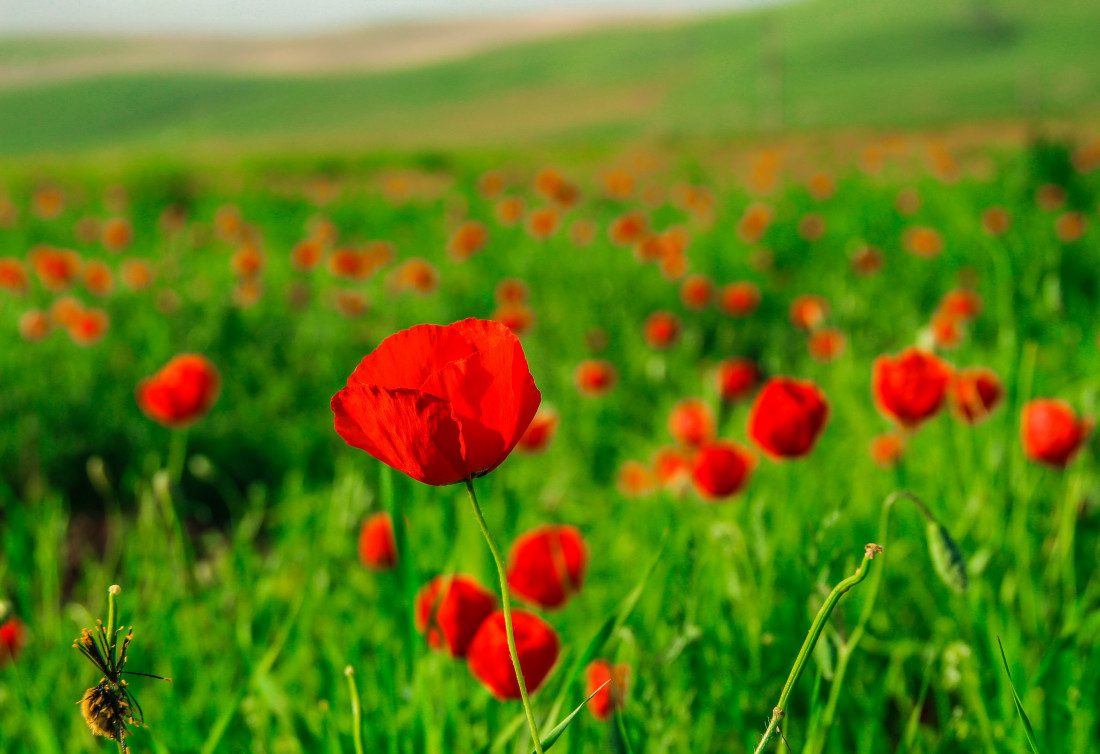
In ancient times, a very interesting custom existed. The Navruz celebration began in the last month of Khut – the month of the fish. According to tradition, during Kozon Tuldı, all the household vessels were filled with water, and the family’s favorite dish was cooked in a cauldron, ensuring the cauldron was full. Some families continue this practice today, believing it ensures a year of abundance and a bountiful harvest.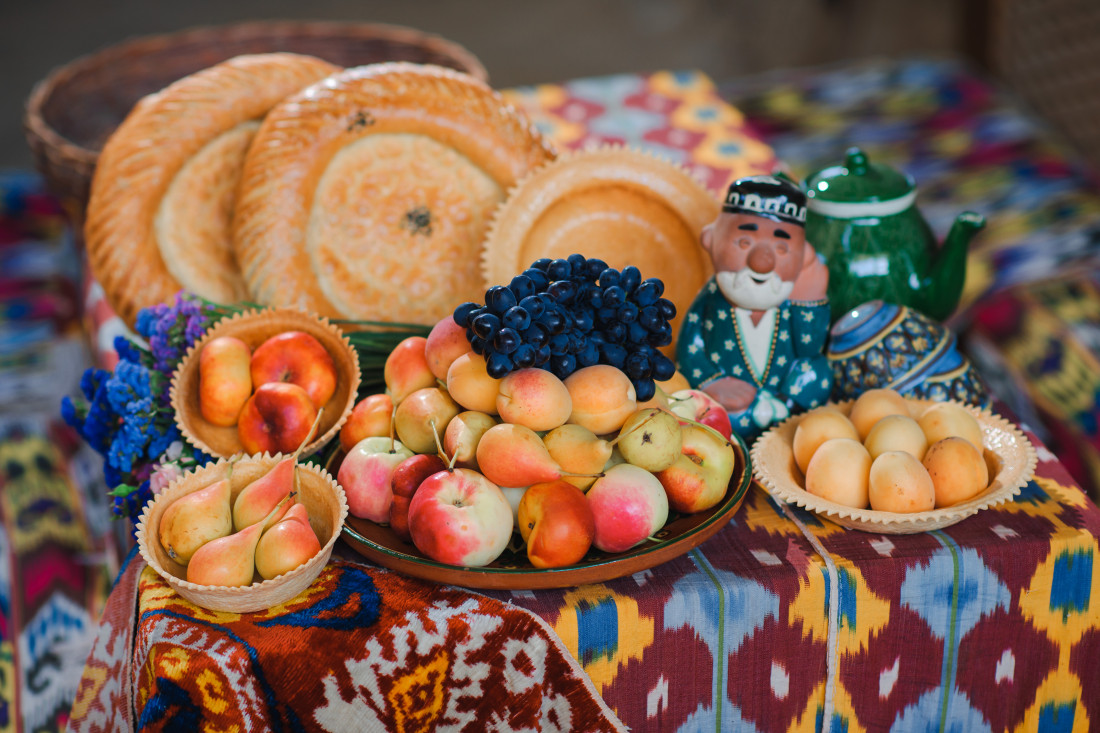
Among the festive dishes, the most sacred and beloved is sumalak. Its preparation requires observing a series of rituals. Making sumalak is always a joyful event involving the entire community. During its preparation, national songs are sung, dances are performed, and local legends are shared. Young women are invited to the large cauldron where sumalak is cooked to make wishes, often for the birth of a child. Once the sumalak is ready, it is shared with everyone in the yard as a symbol of charity and friendship.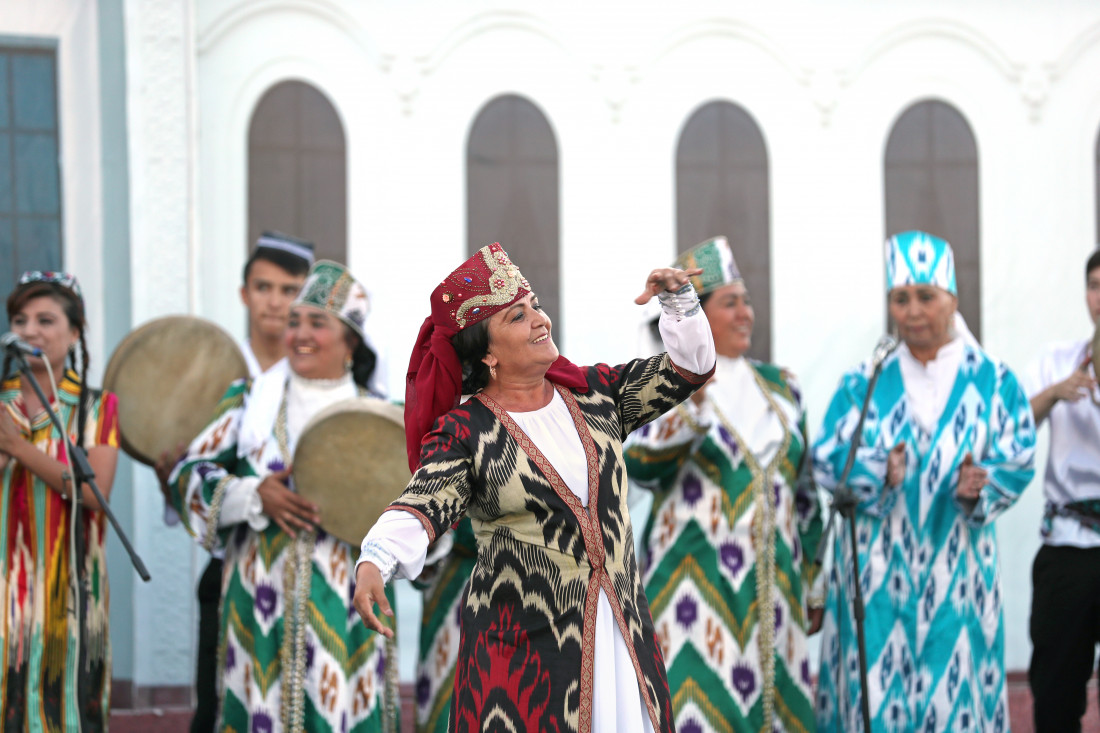
During Navruz, it is customary to rest, have fun, visit friends, exchange gifts, fly kites, organize cockfights, and participate in games and sports competitions such as kurash – traditional wrestling, and kokpar – a horseback game. Every family sets a rich dastarkhan (table spread). Essential dishes include plov, bread, sweets, sumalak, halim, samsa, and other national delicacies.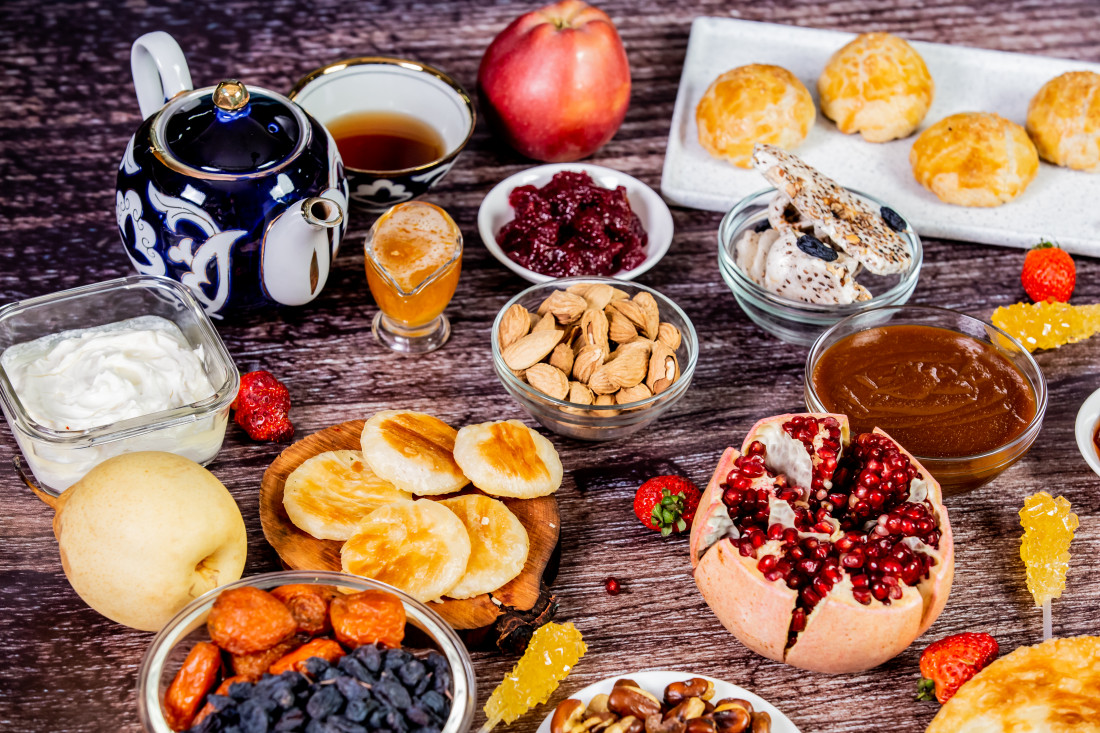
Working hours: 9:00 AM - 6:00 PM, Mon-Fri
For any questions


 UZB
UZB RUS
RUS CN
CN JPN
JPN ARA
ARA FRA
FRA DE
DE POR
POR ESP
ESP TUR
TUR ITA
ITA HIN
HIN MAL
MAL

Comment