Do you like to read books? What is about Uzbek literature? Here is a little history. From the ancient times, the people of Uzbekistan composed and passed by word of mouth the colorful legends about good and evil, about fearless heroes – pahlavons, who defended the honor and dignity of their land, about the cruelty and wisdom of their rulers. The famous legends about Alpomysh, Siyavush and Afrosiab and many other colorful examples of the oral folk art laid the foundation for our literature.
There was also a place for humor in the history of Uzbek literature. So in the folk epic appeared the genre of Latifa – anecdotes. The world famous hero of comic stories Nasreddin Afandi, a comic character who cleverly conducts ingenious combinations with the rich and rulers of cities, has gained worldwide fame.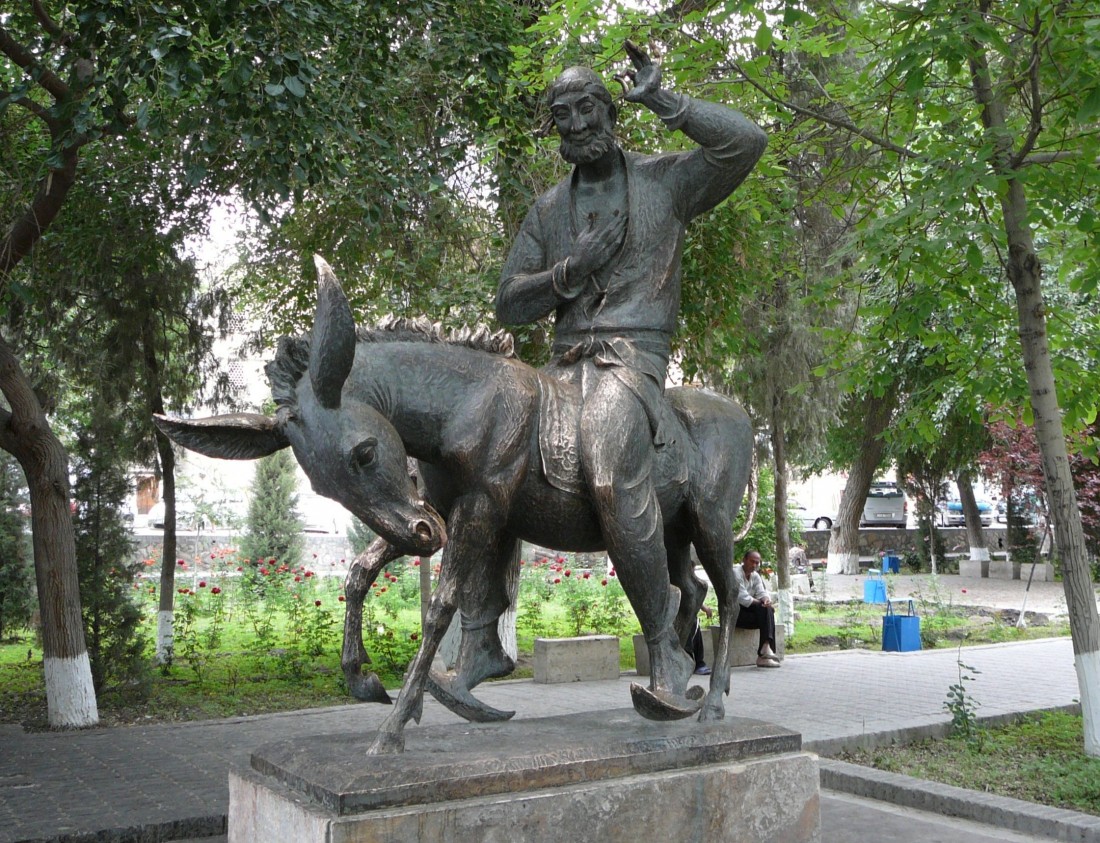
The ancient folklore stories such as “Takhir and Zukhra”, “Farhad and Shirin”, “Leyli and Majnun”, etc. are classics of Uzbek literature. During the reign of the Temurids, the greatest poet and statesman, the founder of Uzbek literature, Alisher Navoi (1441-1501), played a colossal role in the development of literature. His priceless manuscripts are still preserved in many manuscript collections of world-famous museums, such as the State Hermitage Museum, the Louvre and the British Museum, and have been translated into many languages.
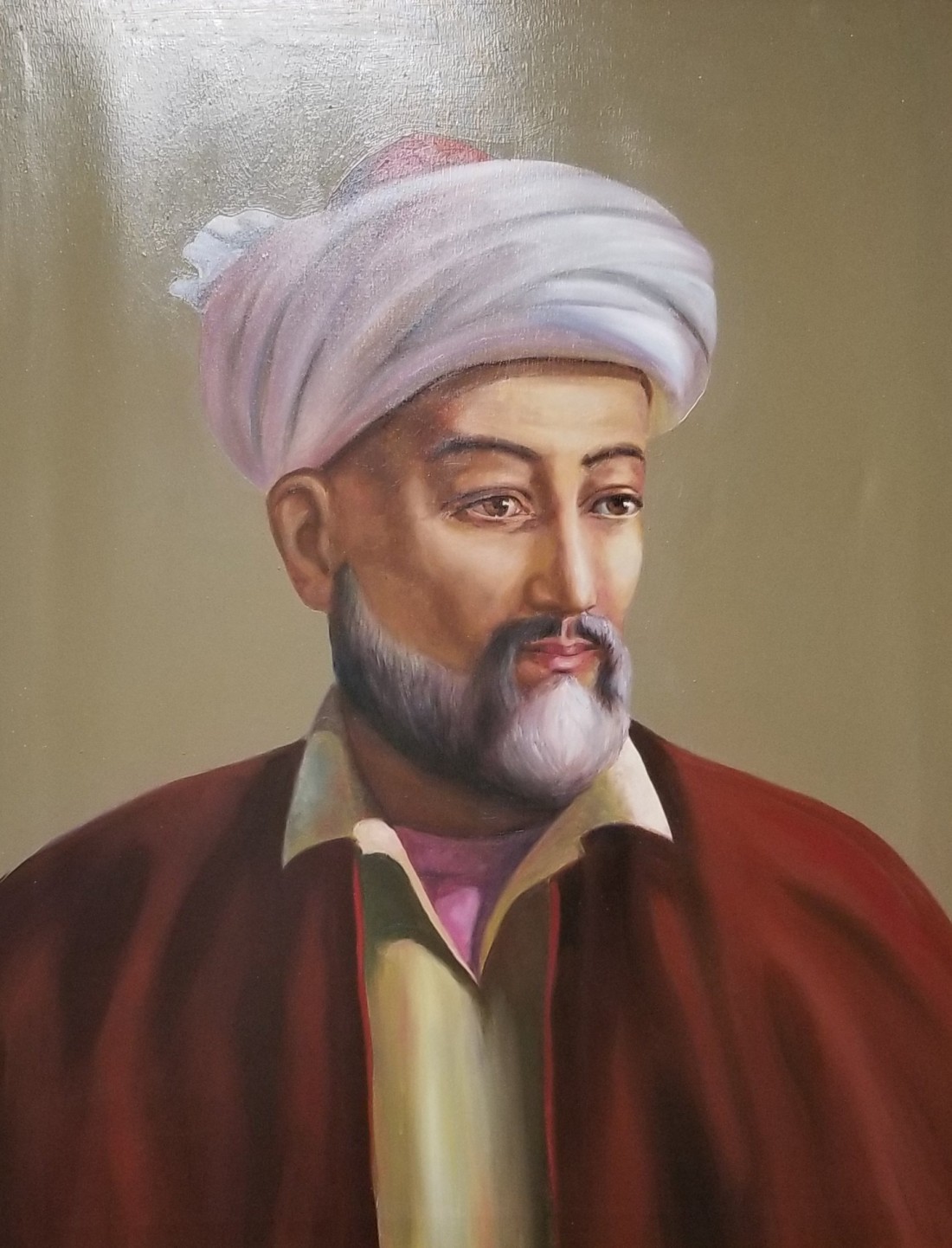
In the works of famous authors, you can read the historical events of various eras of Uzbekistan. Thus, the work “Baburname” by Zakhiriddin Babur (1483-1530) describes the life of the country during the rule of two empires – the Temurids and Baburids.
Since the XIV century, Samarkand, Bukhara, the cities of the Ferghana valley and Khorezm were important literary centres of Central Asia. Poetry and artistic skills developed rapidly here. Such poets as Jami (1414-1492), Lutfi (1367 - 1466), Mashrab (1653-1711), Agakhi (1809-1874) were particularly popular. The famous poets Nadira (1792-1842), Uvaysi (1780-1845) and Makhzuna made an invaluable contribution to Uzbek women’s poetry.
At the beginning of the XX century, the best works were written by Mukhammad Sharif Gulkhani, Agakhi, Mukimi, Zavki, Furkat, Abdulla Kadiri, Fitrat, Khamza. The laid the foundation for social realism in Uzbek literature and introduced social and political themes to it.
Among the works of modern literature, we recommend to read the works of Abdulla Kahhar, Gafur Gulyam, Oybek, Erkin Vahidov, Abdulla Oripov and many other writers. They are really fascinating and interesting.
Working hours: 9:00 AM - 6:00 PM, Mon-Fri
For any questions


 UZB
UZB RUS
RUS CN
CN JPN
JPN ARA
ARA FRA
FRA DE
DE POR
POR ESP
ESP TUR
TUR ITA
ITA HIN
HIN MAL
MAL

Comment
Уличный?