In Uzbekistan, traditions are honored and preserved. Respect for elders, support, and mutual assistance are traits deeply ingrained in Uzbek culture. The mahalla plays a central role, uniting people, fostering closeness, and teaching respect for every individual, regardless of social status, nationality, or religion.
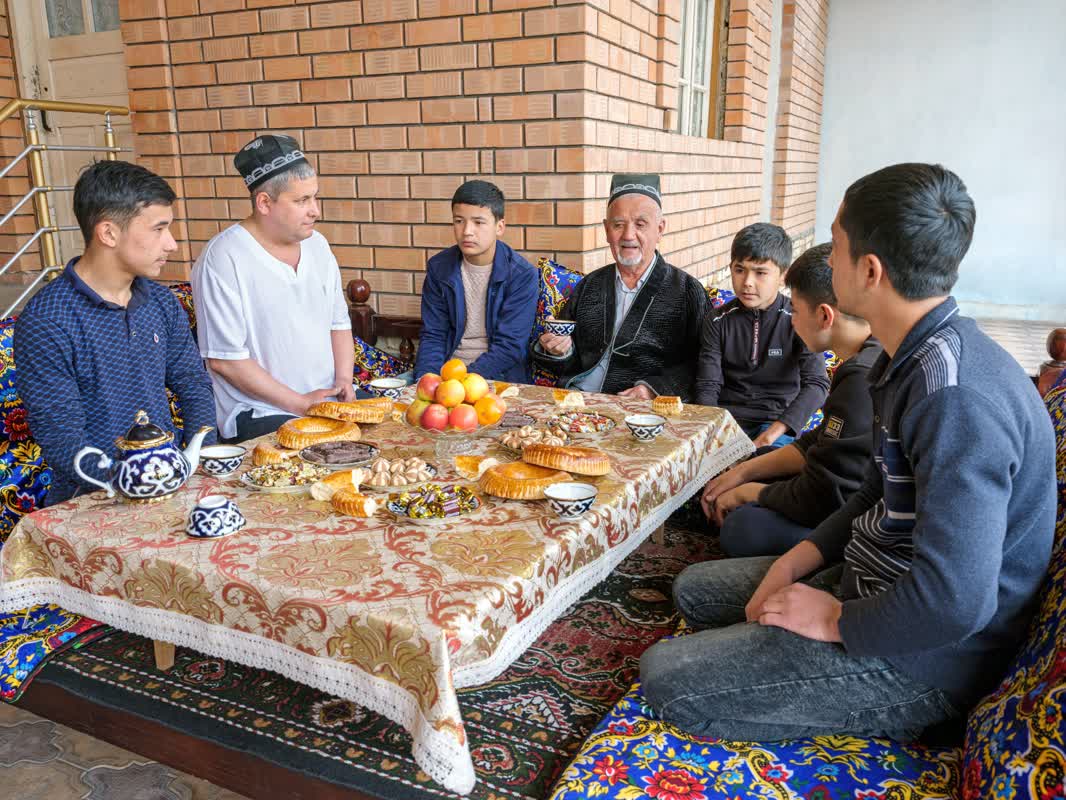
The term mahalla refers to a territorial-administrative unit or community of people living in a specific area of cities or districts in Central Asia. But it is more than just a place of residence; it is a way of life, a mindset, and a centuries-old tradition emphasizing diligence, humanity, and integrity.
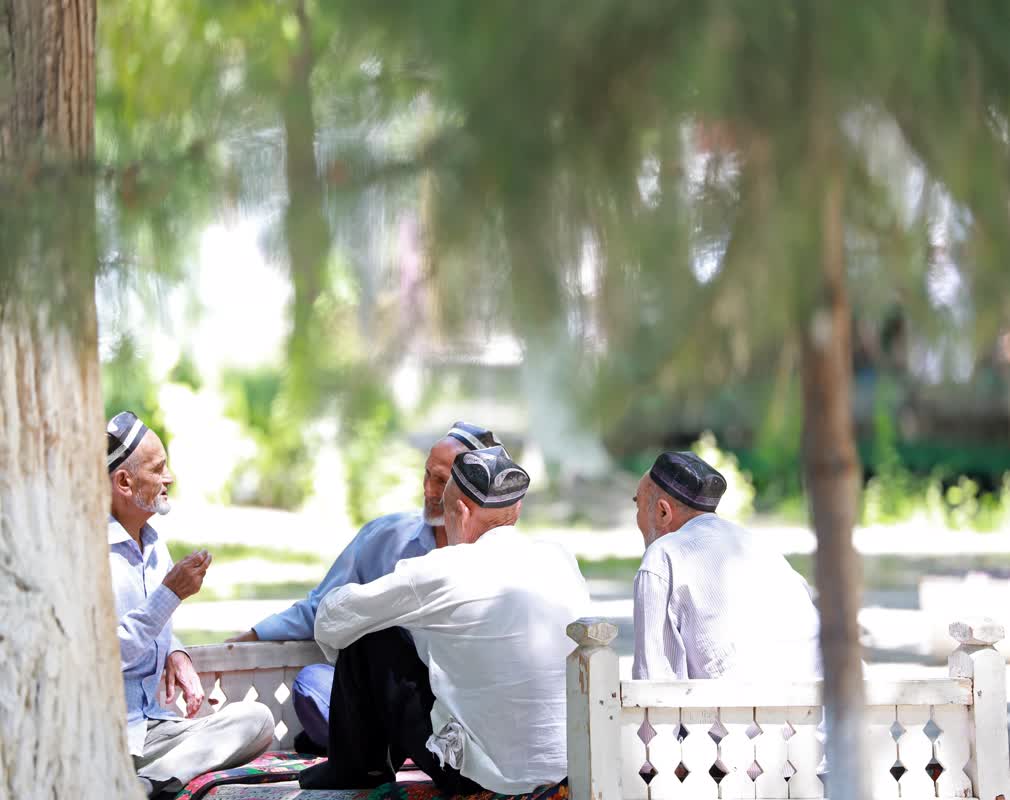
Historically, the mahalla has been a pillar of the state, a foundation for governance, where people are connected not only by proximity but also by shared values and moral norms. The older generation preserved and enhanced folk traditions, passing them down to younger generations. The mahalla functions as one family, providing support in both joy and sorrow.
Over the years, Uzbekistan has developed extensive experience with mahalla committees. In 2020, the President issued a decree “On Measures to Improve the Socio-Spiritual Atmosphere, Further Support the Mahalla Institution, and Upgrade Family and Women’s Services.” Each mahalla is now implementing a new system called “Well-Equipped and Safe Mahalla.” The Ministry for Mahalla and Family Support was also established.
Since 1992, the charitable Mahalla Foundation has provided financial assistance nationwide. Over the past five years, about 20 regulations regarding mahalla activities have been introduced, a popular TV channel Mahalla was launched, and a namesake newspaper is published.
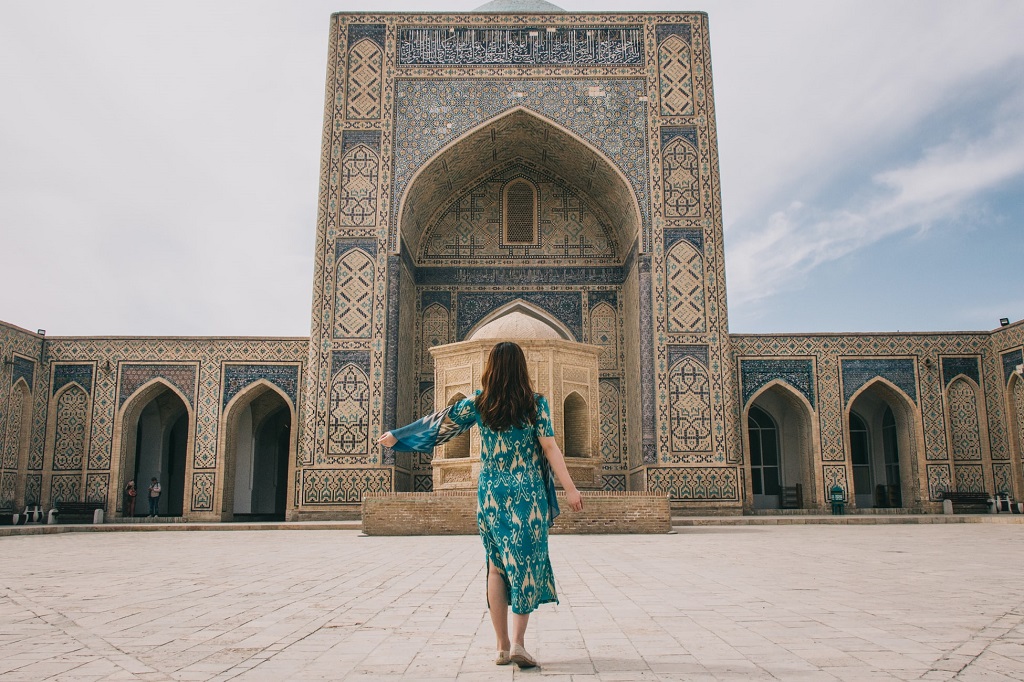
Thus, the Uzbek mahalla is a unique civil society institution, connecting the past and present, helping communities overcome difficulties, and guiding social and cultural development.
Working hours: 9:00 AM - 6:00 PM, Mon-Fri
For any questions


 UZB
UZB RUS
RUS CN
CN JPN
JPN ARA
ARA FRA
FRA DE
DE POR
POR ESP
ESP TUR
TUR ITA
ITA HIN
HIN MAL
MAL

Comment