Safety and Travel Features in Uzbekistan

Safety Rules at Ski Resorts

20.01.2026 171

Spending your vacation or weekend skiing is a great idea. But if you're new, we recommend first familiarizing yourself with safety rules - both mandatory and desirable - to rest without troubles and with pleasure.

FIS White Code


Every resort has its own set of rules. But they are always based on the White Code of the FIS (International Ski and Snowboard Federation), developed in 2002. The code consists of ten rules.

  • Respect others. You are responsible for your actions and for your equipment—it must be in good working order.
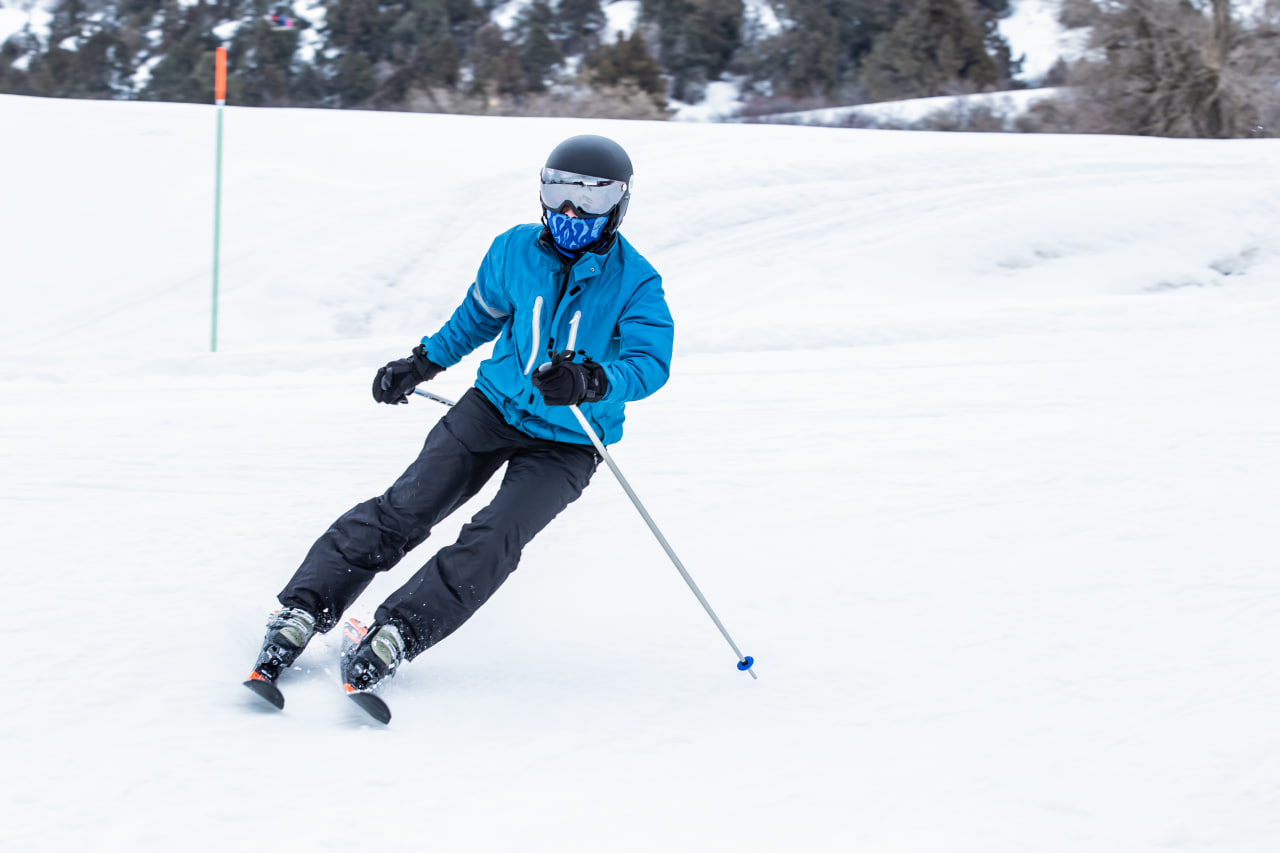
  • Control your speed. Only you know your skill level, and your skiing style must correspond to it. Consider the weather, the terrain, and the number of people on the slope.
  • Choose a route. A skier higher up the slope is responsible for choosing a descent that does not pose a danger to those below. In this case, the skier lower down the slope has the right of way, but this does not mean they can move erratically.
  • Overtake carefully. You can pass a skier from any direction, up or down the slope, to the right or left, but you must leave a few meters of space for any maneuver, even an accidental one.
  • Start correctly. Before entering a marked trail, starting up again after stopping, or maneuvering up a slope, you must ensure that doing so will not pose a danger to you or others.
  • Don't stop unnecessarily. In narrow sections or in areas with poor visibility (for example, during snowfall or fog), it's best not to stop unnecessarily. It's important to get into the habit of braking only at the edge of the trail, even if it's wide. This is much safer—and other riders won't have to slow down to pass you. Don't stop at turns or forks in the road; you risk distracting the rider behind you, leading to a collision.
  • Ascents and descents are only allowed in designated areas. Walking is permitted only along the edge of the trail: you won't be hit there, and dents from your tracks won't mar the slope.
  • Pay attention to signs and markings. Poles, nets, signs, and barriers on the slope are necessary for everyone's safety. Follow all directions, consider the route's difficulty, and note any closed trails or restricted areas on the slopes.
  • Be prepared to provide first aid. If an accident occurs on the slope, mark the scene with crossed skis or poles, planting them in the snow approximately 10 meters up the slope. Ask the victim if they need assistance and help them gather their belongings. If necessary, call rescuers and wait for them to arrive.
  • Identify yourself. All witnesses and participants in the incident must exchange contact information.

Additional Rules

There are also a number of rules that aren't included in the code, but are often found in the instructions of individual ski resorts.

  • Some resorts prohibit the consumption of alcohol and any other intoxicating substances before and during skiing.
  • Some resorts require helmets.
  • In areas where only licensed instructors are allowed to teach, don't help others with skis—if a patrol observes this, your ski pass may be blocked.
  • You must yield to skiers with disabilities (usually accompanied by instructors) and motorized vehicles (snowmobiles, snowcats).

Other helpful tips

There are a number of unspoken rules that are best followed, whether or not they're included in your resort's rules of conduct.

  • Don't crowd the boarding area; wait calmly for your turn and take your place.
  • Don't step on or run over other people's equipment with your skis.
  • Don't crowd the moving conveyor belt; watch for the chair to approach safely and quickly.
  • When lowering the chair frame or its canopy, alert your neighbors so everyone is ready. Don't raise the frame prematurely.
  • Don't swing your poles.
  • Don't leave equipment in the walkway (for example, near the service center); leave it in the equipment rack or stash it in a snowdrift off to the side.
  • On the slope, hold your removed skis in your hands, and if you place them on the snow, place them perpendicular to the slope and higher than you are standing.
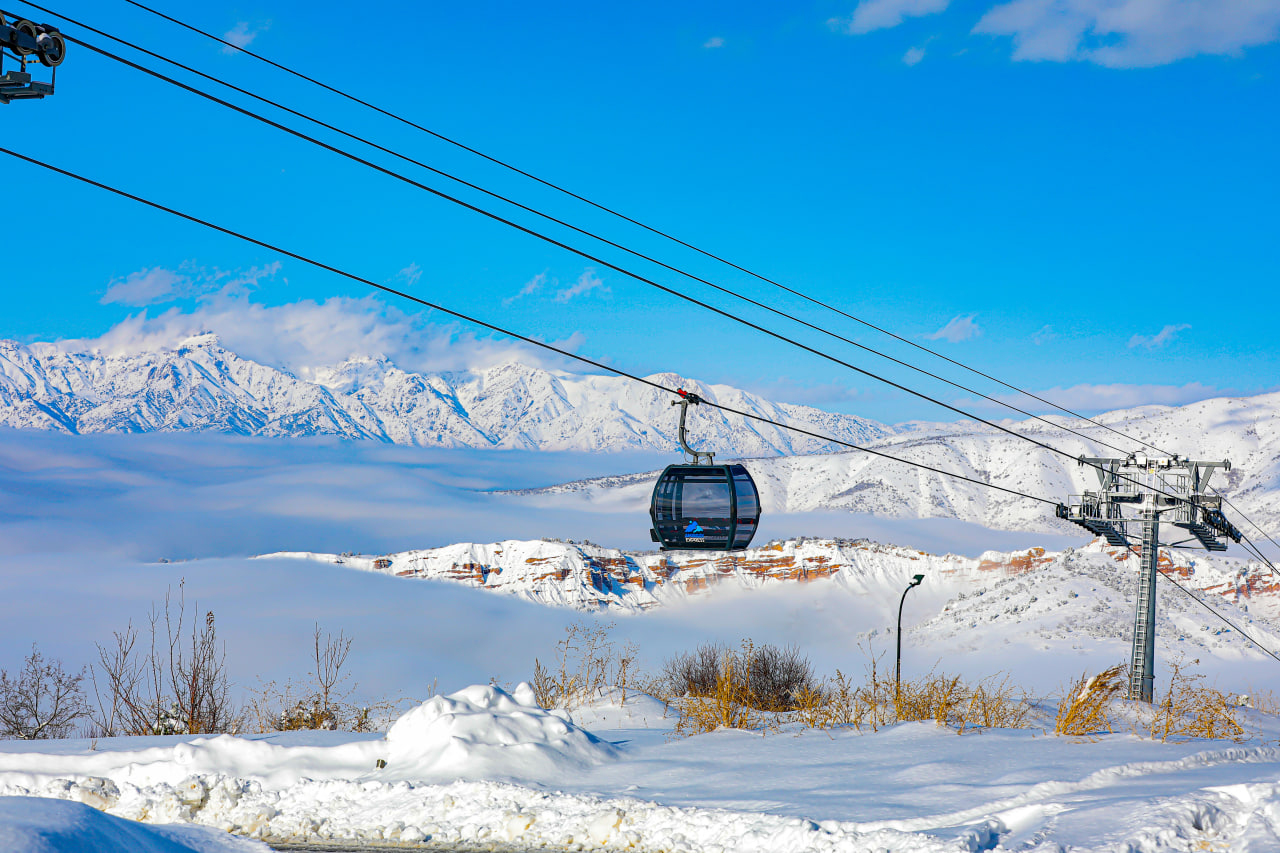
  • Don't carry gear in your hands while on the chairlift. You must be clipped in, and it's best to remove your backpack. Gondolas typically have external storage compartments for gear.
  • Don't litter. Any objects on the slopes can distract skiers or even cause injury.
  • Don't ski with headphones. You might not hear someone braking next to you or warning you of a hazard. The same goes for taking photos while skiing—it's a serious distraction for both you and others.

Comment

0

Leave a comment

To leave a comment, you need to log in through social networks:


By logging in, you agree to the processing personal data